
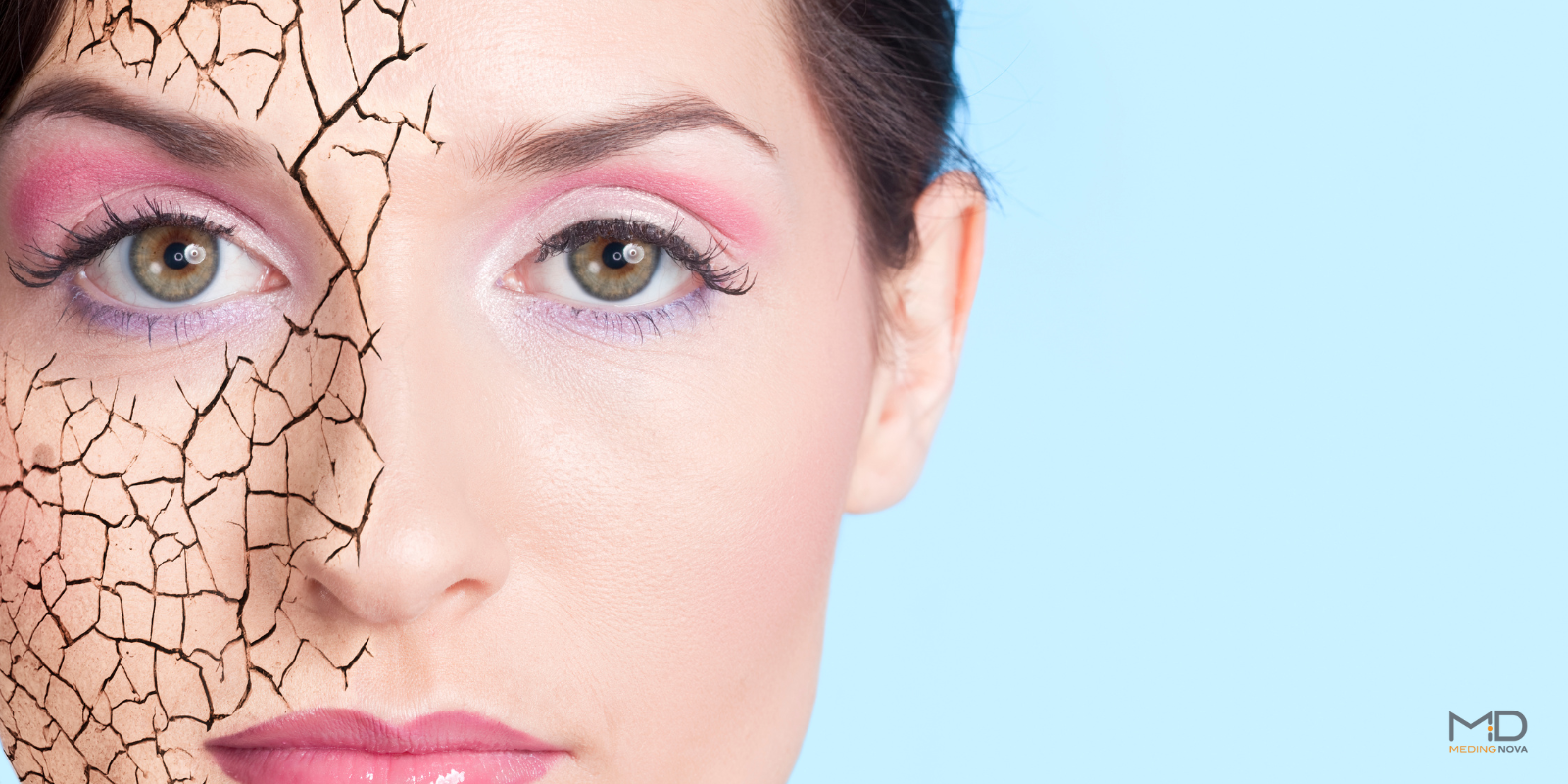
Dry Skin in Winter – Causes, Symptoms & Solutions
Why Does Dry Skin Occur in Winter?
Winter is slowly approaching, and with it comes the season of dry skin. A rough skin surface accompanied by flaking and peeling represents a mild form of dryness. In more severe cases, cracks, inflammation, pain, and even bleeding can occur.
A damaged skin barrier increases the risk of infection because it can no longer effectively protect against irritants, allergens, and microorganisms. Dry skin is also one of the most common causes of itching in older adults, often worsening with daily activities.
Is Dry Skin a Disease?
Dry skin can be a symptom of skin conditions such as atopic dermatitis, or systemic diseases such as liver disorders. However, dry skin can also appear on its own — especially in older individuals — and this condition is known as xerosis.
Common causes include:
• Genetic predisposition
• Environmental factors
• Frequent exposure to wind, cold, and heating
• Improper skincare habits
How to Prevent or Reduce Dry Skin Symptoms?
1. Avoid sudden changes in environmental conditions
Rapid cycles of humidity and dryness can severely damage the skin.
2. Adopt a proper shower routine
• Avoid frequent bathing
• Limit showers to once a day, under 10 minutes
• Pat the skin dry instead of rubbing
• Use mild cleansers
3. Protect your skin before going outside
• Apply a protective cream 30 minutes before exposure to cold, wind, or dry air
4. Stay hydrated
• Drink enough water throughout the day
• Avoid scratching even when itching occurs
5. Protect your hands and choose suitable clothing
• Wear gloves when using detergents or household chemicals
• Choose cotton or silk clothing for direct contact with the skin
Which creams are best for dry skin?
For dry skin, rich, oily creams are recommended, as they create an occlusive layer that prevents moisture loss and improves long-term skin condition.
Proven effective ingredients include:
Occlusives (prevent moisture loss)
• Petrolatum
• Mineral oil
• Silicone oils
• Waxes
• Fatty alcohols
Barrier-restoring lipids
• Ceramides
• Cholesterol
• Linoleic and linolenic acids
Plant oils
• Evening primrose oil
• Avocado oil
• Sweet almond oil
• Wheat germ oil
• Sunflower oil
• Blueberry seed oil
• Jojoba oil
Plant extracts
• Oat extract
• Aloe vera
• Calendula
• Yarrow extract
• Lemon balm
Humectants (attract water to the skin)
• Glycerin
• Propylene glycol
When to consult a specialist?
If you are unsure which product is right for you, or if symptoms worsen, consult your dermatologist or pharmacist. With the right care, you can fully enjoy the upcoming winter season without the discomfort of dry skin!